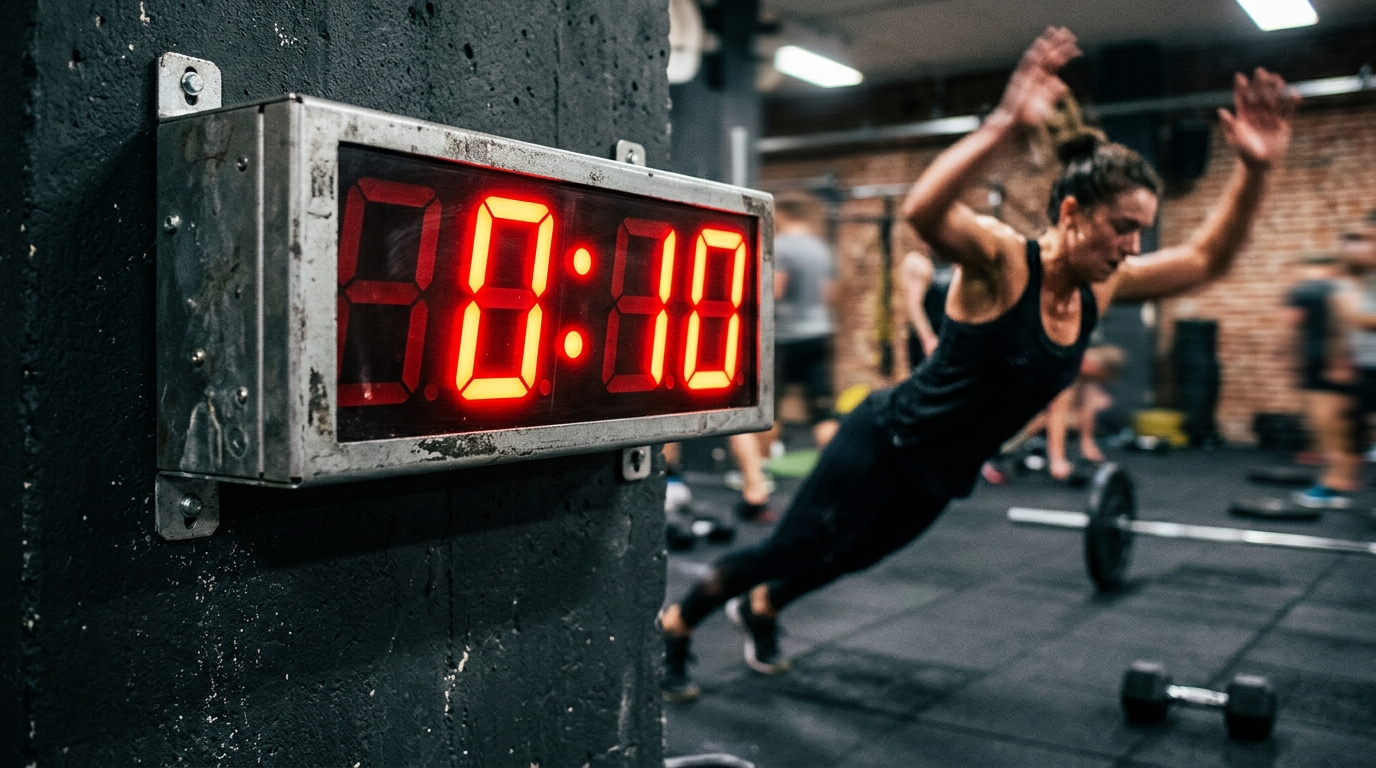
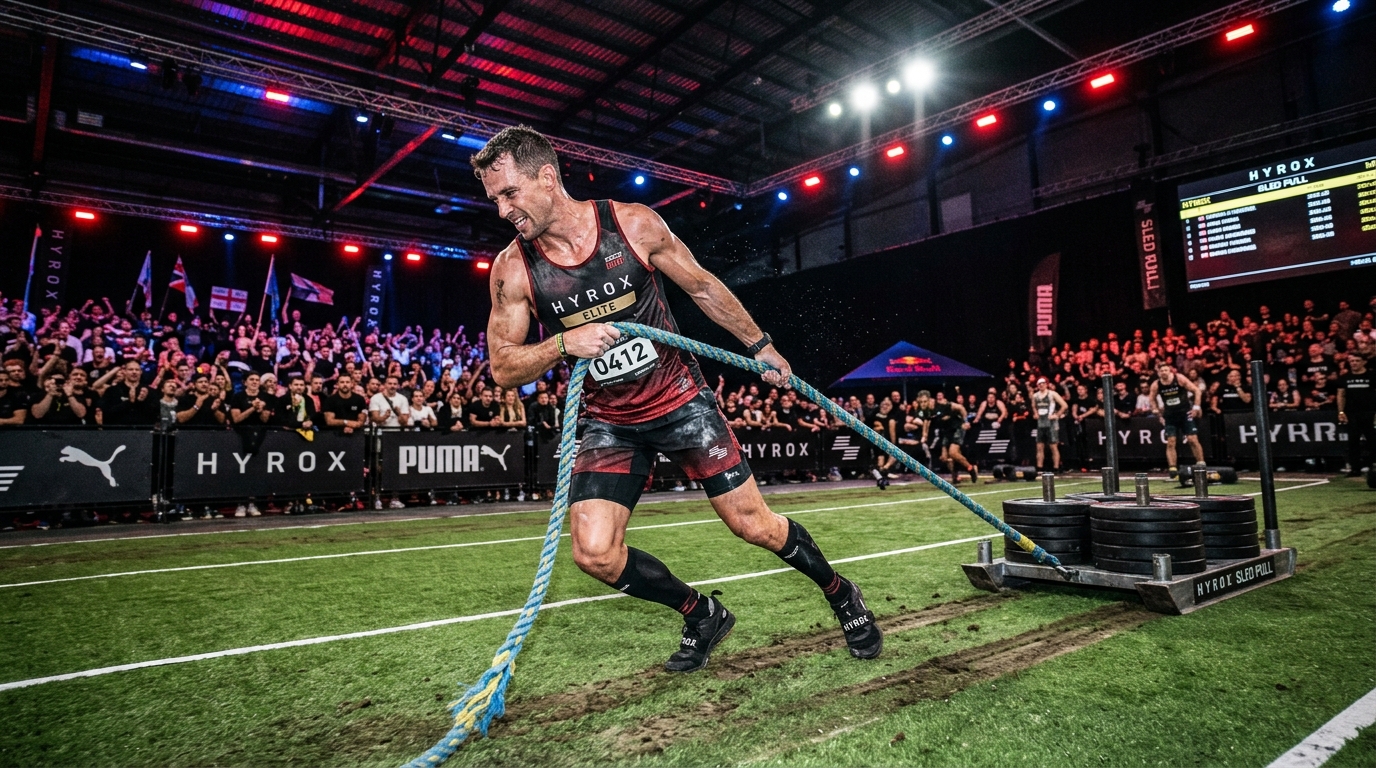
Dehydration affects performance in a surprisingly aggressive and multi-scale manner from the first 1-2% loss of body mass. This is what cascades at a physiological level when you lose 2% of your body weight in water (1.4 liters for a 70kg athlete):
Cardiovascular Effects
The reduction in plasma volume forces the heart to beat faster to maintain the same cardiac output (volume per minute). In practical terms, at the same exercise intensity, HR can be 8-15 bpm higher than in the euhydrated state. This increase in HR represents a greater energy demand of the myocardium itself and a more rapid accumulation of cardiorespiratory fatigue.
Thermoregulatory Effects
Sweat is the main heat dissipation mechanism during intense exercise. With less water available, the sweat rate decreases, the core body temperature rises more quickly, and the thermal fatigue threshold is reached sooner. This effect is especially pronounced in poorly ventilated pits during the summer: the perception of exertion (RPE) can increase between 1 and 2 points on the Borg scale with only 2% dehydration.
Cognitive Effects
The brain contains approximately 73% water. At 1-2% dehydration, mental acuity, reaction time and decision-making ability under fatigue deteriorate measurably. In a WOD that requires counting rounds, performing technical movements like the Clean & Jerk, or managing the pacing of multiple exercises, this cognitive decline can be as detrimental as the physical decline.
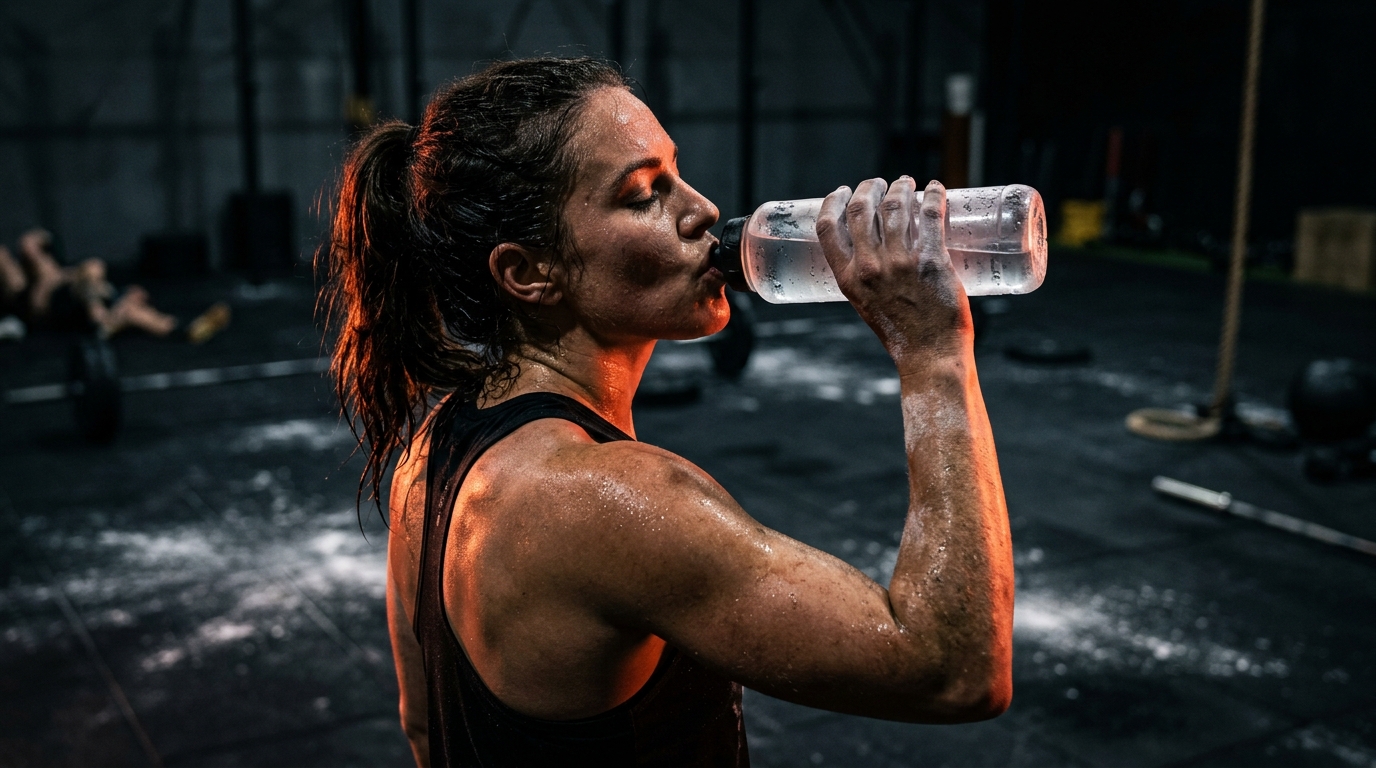
The chemical composition of the intra-workout drink has a measurable impact on performance from the first 30 minutes of intense exercise.
Here's the part that surprises most athletes: drinking plain water during exercise can, under certain conditions, be worse than not drinking anything. If you sweat with a high concentration of sodium (people with a higher density of sweat glands or athletes not adapted to the heat can lose up to 1,500 mg of sodium per liter of sweat) and replace the volume exclusively with sodium-free water, you are diluting plasma sodium.
Dilutional hyponatremia (plasma sodium < 135 mEq/L) has direct consequences on performance and health:
- Muscle cramps: The reduction of extracellular sodium alters the membrane potential of muscle fibers, facilitating spontaneous depolarization and cramps.
- Nausea and vomiting: Low sodium reduces plasma osmolarity, causing an increase in intracellular fluid volume that affects the gastrointestinal system.
- Severe hyponatremia: In extreme cases (sessions lasting more than 3-4 hours with excessive intake of sodium-free water), life-threatening cerebral edema may occur.
Osmolarity is the concentration of particles dissolved in a solution, expressed in milliosmoles per liter (mOsm/L). The osmolarity of human blood plasma under normal conditions is 270 to 290 mOsm/L.
When you ingest a drink with an osmolarity lower than that of plasma (hypotonic, <270 mOsm/L), water passes from the intestine to the plasma by osmosis quickly and efficiently. When you drink a drink with a higher osmolarity (hypertonic, >290 mOsm/L), water moves in the opposite direction: from plasma to the intestine to dilute the hypertonic solution, which can cause abdominal distention and delays rehydration.
For high-intensity exercise, where gastric emptying is inherently slowed by diversion of blood flow to active muscles, drinking hypotonic (200-250 mOsm/L) It is the one that allows the highest rate of net water absorption per unit of time. Traditional isotonic drinks (Aquarius, Gatorade) are formulated with 280-320 mOsm/L, which may be too much for very high intensity exercise.
Based on the recommendations of the American College of Sports Medicine (ACSM) Position Stand on Exercise and Fluid Replacement (Sawka et al., 2007) and adapting them to the high intermittent intensity context of CrossFit:
- 500ml of cold sparkling water (CO2 reduces the sensation of gastric filling)
- 500ml still water
- 600-700mg sodium (≈ 1.5g uniodized sea salt) — adjust to your sweat rate
- 300mg of potassium (≈ 750mg of potassium chloride or the juice of 1 large lemon)
- 4-6g of pure glucose (not fructose: faster gastric emptying)
- Juice of ¼ lemon for palatability and antioxidant flavonoids
- Optional: 100mg of magnesium bisglycinate to reduce night cramps in high volume weeks
Resulting osmolarity: approximately 220-240 mOsm/L. Rapid absorption even during high intensity exercise.
The concentration of sodium in sweat varies greatly between individuals, from 200 mg/L to 1,800 mg/L at the high end. Factors that determine whether you are a "salty sweater" include:
- Genetics: The density of eccrine sweat glands and the activity of sodium ion channels in secretory cells are partially heritable.
- Heat adaptation level: Athletes who train regularly in hot environments develop more efficient sweating (higher volume, lower sodium concentration per liter)
- Usual diet: A habitual high sodium intake is associated with a higher concentration of sodium in sweat, although this relationship is not perfectly linear.
- Aldosterone hormone: Regulates sodium reabsorption in the sweat ducts. Athletes with normal aldosterone production lose less sodium per liter of sweat
How to tell if you're a salty sweater: Look at the white deposits of crystallized salt left on your dark clothes after a workout. If the crystals are abundant and visible even after a moderate session, you probably have a high rate of sodium loss and should increase the concentration of your training drink.
moment Amount Composition Aim 2 hours before the WOD 400-600ml Water with 200mg sodium Baseline pre-hydration 30 min before 200-300ml Water alone or with light electrolytes Previous gastric emptying Every 15-20 min during 150-200ml Hypotonic drink (recipe above) Active loss compensation Immediately post-WOD 500ml Isotonic drink or water with protein Start of rehydration 2h post-WOD 750ml per kg lost Water with sodium and potassium Complete rehydration
⏱️ Use TITAN RX as a Hydration Reminder
The feeling of thirst is a late sign of dehydration: when you notice it, you are already in the 1-1.5% water deficit. Set interval timers TITAN RX for the voice coach to include hydration reminders every 15-20 minutes during long WODs. You can also use EMOM mode to structure scheduled hydration breaks into sessions longer than 60 minutes.
| moment | Amount | Composition | Aim |
|---|---|---|---|
| 2 hours before the WOD | 400-600ml | Water with 200mg sodium | Baseline pre-hydration |
| 30 min before | 200-300ml | Water alone or with light electrolytes | Previous gastric emptying |
| Every 15-20 min during | 150-200ml | Hypotonic drink (recipe above) | Active loss compensation |
| Immediately post-WOD | 500ml | Isotonic drink or water with protein | Start of rehydration |
| 2h post-WOD | 750ml per kg lost | Water with sodium and potassium | Complete rehydration |
The feeling of thirst is a late sign of dehydration: when you notice it, you are already in the 1-1.5% water deficit. Set interval timers TITAN RX for the voice coach to include hydration reminders every 15-20 minutes during long WODs. You can also use EMOM mode to structure scheduled hydration breaks into sessions longer than 60 minutes.